
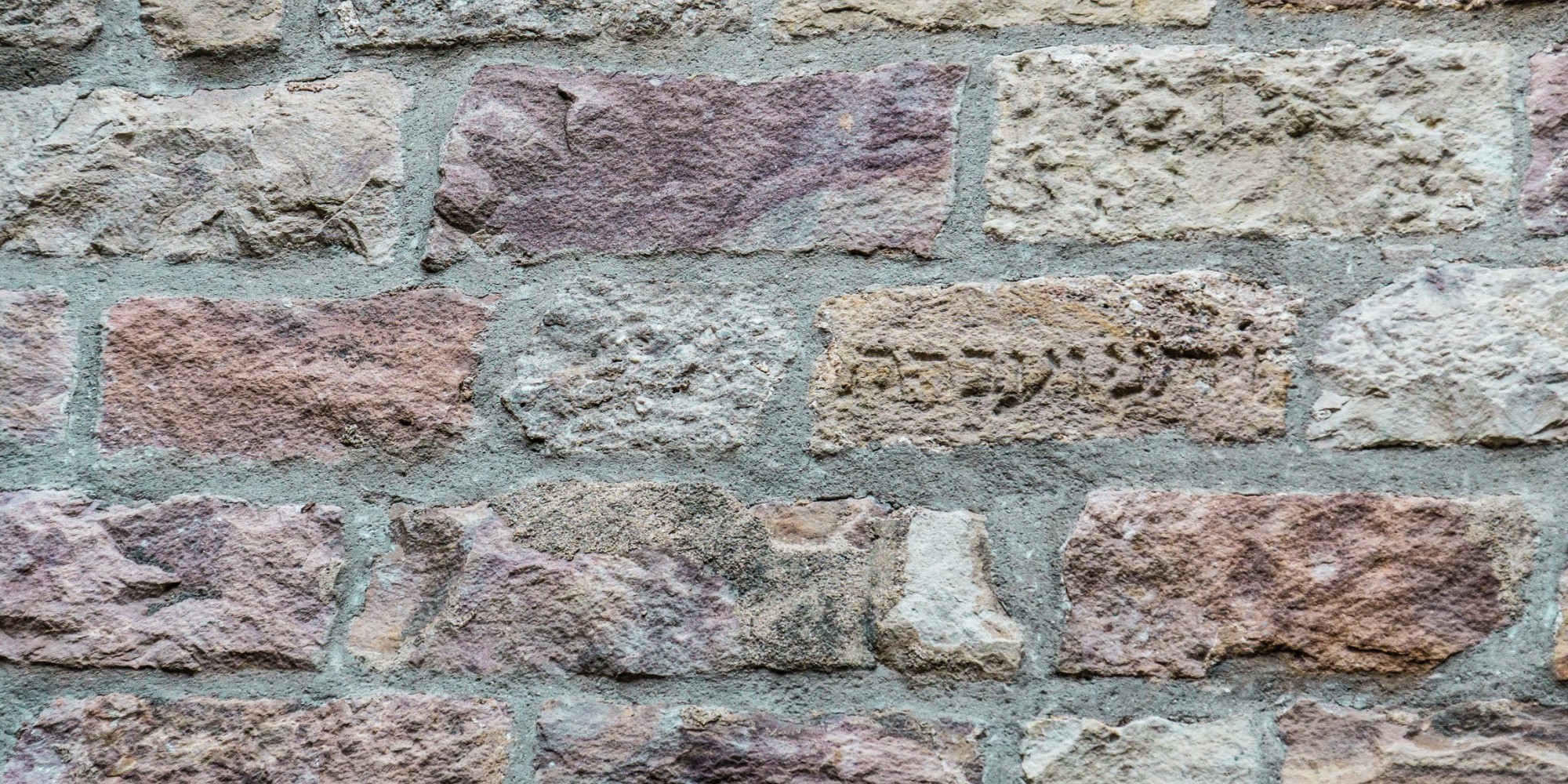

The Jewish Cemetery Of Montjuïc: The Buried Necropolis Behind Barcelona's Name
Every visitor to Barcelona climbs Montjuïc for the view — the castle, the gardens, the skyline stretching to the sea. Almost none of them know they’re standing on a Jewish cemetery, or that the mountain’s name is a memorial in itself.
“Montjuïc” comes from the medieval Catalan mont dels jueus — Jewish mountain. It wasn’t a poetic nickname. From at least the 11th century, this was the burial ground of Barcelona’s Jewish community, the resting place for generations of the Call before the city’s darkest year erased it from use.
A Cemetery As Old As The Community Itself
For roughly three centuries, the necropolis on Montjuïc served the Jewish quarter below. Families buried their dead here according to Jewish custom, on land held under royal protection, a detail that would later determine the fate of the stones themselves.
- Continuous Use: Documentation places Jewish burials on the mountain from the 11th century onward, making it one of the oldest and most enduring Jewish sites in the city’s history.
- Royal Land: Because the cemetery sat on land belonging to the crown, its fate after 1391 was tied directly to royal decisions — not communal ones.
1391: The Year The Cemetery Fell Silent
In the summer of 1391, the Call was attacked in one of the bloodiest anti-Jewish massacres in medieval Spain, killing hundreds and shattering the community. In the aftermath, the cemetery on Montjuïc was abandoned. No new burials followed. What had been sacred ground for three hundred years became, in the eyes of the crown, simply a quarry of finely cut stone.
A Second Life, Written In Hebrew
What happened next is one of the more haunting chapters of Barcelona’s Jewish history. Historians including Jordi Casanova have documented how the abandoned tombstones — solid, dressed, already carved — were considered valuable building material. Because the land belonged to the king, he granted the stones to builders, nobles, and institutions, often as payment for services or debts.
- Palau del Lloctinent: Built in the mid-16th century under Emperor Charles V, this Gothic Quarter palace still shows tombstones with visible Hebrew inscriptions set into its facade.
- Castell de Montjuïc: Fortress walls built directly above the old necropolis reused stones from the very graves beneath them.
- Scattered Across The City: To date, more than 60 reused Jewish gravestones have been catalogued in walls, courtyards, and buildings across Barcelona — a silent, dispersed archive of names.
Rediscovery: From Forgotten Hillside To Protected Site
The cemetery itself stayed buried and largely unmarked for centuries. That began to change in the 20th century, as construction work kept surfacing what history had tried to erase.
- 1945: Construction of pavilions on Montjuïc uncovered 171 graves, offering the first modern confirmation of the necropolis’s scale.
- 2001: A formal excavation on the mountain revealed 557 tombs along with additional inscribed stones, giving archaeologists their clearest picture yet of the cemetery’s size and layout.
- 2007: Local historians and the Center for Montjuïc Studies petitioned the Catalan government to protect the site as a Cultural Asset of National Interest, recognizing it as a historic place in its own right rather than a footnote to the castle above it.
Visiting Montjuïc Today
Most visitors still come for the funicular, the gardens, and the views over the port. But for travelers connecting to Jewish heritage, Montjuïc rewards a slower, more deliberate visit. Standing near the fortress walls or looking out over the hillside, it’s worth remembering what lies beneath: not ruins in the abstract, but the individually carved names of a community that once called this city home.
Cultural Connection: Few places in Barcelona carry the weight of Montjuïc — a mountain literally named for the community buried within it, its own headstones scattered into the walls of the city that outlived them.
Frequently Asked Questions (FAQ)
Why is Montjuïc called “Jewish Mountain”?
The name comes from the medieval Catalan mont dels jueus, referring to the Jewish cemetery that stood on the mountain from at least the 11th century until it was abandoned after the 1391 attack on the Call.
Can you still see the Jewish cemetery on Montjuïc today?
The original necropolis is not open as a marked archaeological site in the way the Sinagoga Major or MUHBA El Call are, but excavations in 1945 and 2001 confirmed hundreds of graves on the hillside, and the area has since been recognized for its historical significance.
Where can you see the reused Hebrew tombstones from the cemetery?
Tombstones taken from the Montjuïc cemetery after 1391 were reused as building material across the city. Some of the most visible examples are set into the facade of the Palau del Lloctinent in the Gothic Quarter, and others were built into the walls of the Castell de Montjuïc itself. More than 60 have been catalogued citywide.
How does the Montjuïc cemetery fit into a Jewish heritage tour of Barcelona?
It adds essential context to the story that begins in the Call and the Sinagoga Major — showing not just how Barcelona’s Jewish community lived, but how its history was later dismantled and, quite literally, built into the city that came after it.
