

Beyond the Views: The Sacred Jewish History of Barcelona’s Montjuïc
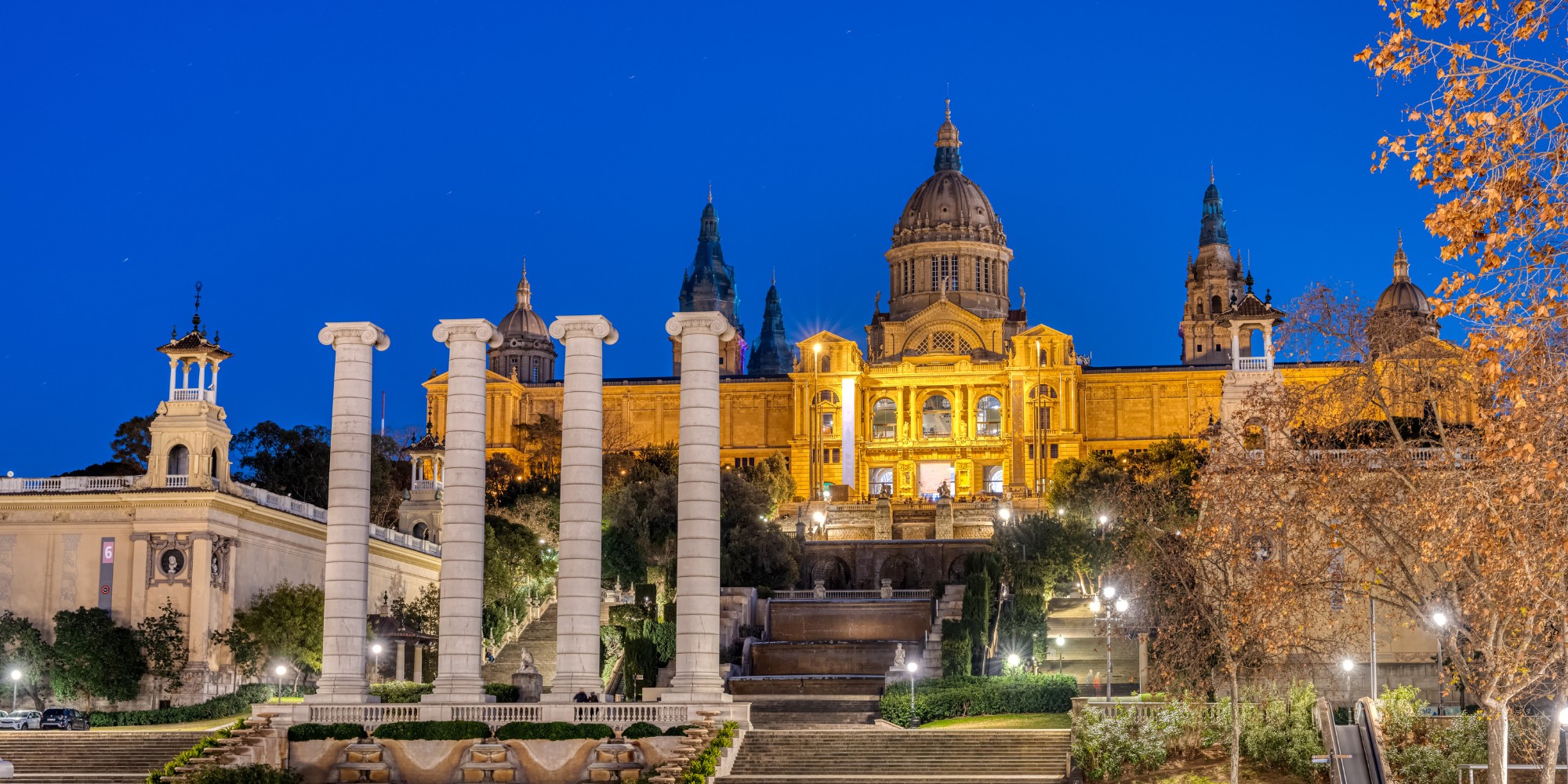
When looking up at Montjuïc, most travelers see a hill famous for its panoramic Mediterranean views, Olympic legacy, and lush botanical gardens. But for those looking beneath the surface, this iconic hill holds a much deeper, sacred meaning.
In fact, its very name tells a story: Montjuïc translates from Old Catalan to “Mountain of the Jews.”
Long before it became a hub for modern culture and leisure, Montjuïc was home to the medieval Jewish community’s sacred burial ground, dating back to at least the 9th century. For centuries, the Jewish community of Barcelona (the Call) walked up this hill to lay their loved ones to rest, choosing a place of quiet dignity overlooking the sea.
The Stones That Remember
Following the tragic destruction of the Jewish Quarter in 1391, the cemetery was abandoned, and many of its beautifully carved gravestones were repurposed as building materials for the city’s growing fortifications and palaces. If you look closely at some of the medieval walls in the Gothic Quarter today, you can still see fragments of Hebrew inscriptions embedded in the stone—a bittersweet reminder of a community that shaped Barcelona’s golden age.
Today, a small, preserved section of the ancient cemetery is officially recognized as a cultural heritage site. It stands as a place of profound memory, resilience, and quiet beauty.
Experience it Personally
Walking through Montjuïc with a local expert changes how you see the entire skyline of Barcelona. It connects the dots between the city’s breathtaking geography and its deeply rooted Jewish soul.
Want to discover the hidden paths and history of Montjuïc away from the tourist crowds? Let us design a bespoke, private journey tailored to your pace.
👉 Explore our private Montjuïc Wonders & Jewish Heritage Tour
